Bonvia Stories • Writing
The Art of Writing
Words, stories and the things worth telling.
Some things stay with us long after the moment has passed: a conversation overheard in a café, the history behind an old building, a meal that brings back a memory, a place that leaves us with more questions than answers.
Sometimes we want to understand them better. Sometimes we want to share them. Often we simply need to find the right words for something we have been turning over for a long time. That is where writing begins.
A story rarely starts with a grand idea. It starts with a question, an observation, a detail that refuses to be forgotten. Notes become paragraphs, paragraphs become a story, and somewhere along the way we find out what we wanted to say.
At Bonvia, writing is how the places, meals and discoveries reach you. This page is about the craft behind it: finding an idea, researching it honestly, shaping it into a story, and the tools that help along the way. Because sometimes the best reason to write is simple: there is something you would like to tell.
Four ways in

01 / Literary Worlds
Ideas, inspiration and the habit of paying attention.
Some stories stay with us long after we have finished reading. A character who feels unexpectedly familiar, a world we are reluctant to leave, or a writer who captures an entire era in just a few sentences. Literature offers more than stories to get lost in; it gives us new ways of looking at people, history and the world around us. We explore the lives and works of remarkable writers, uncover the worlds behind their books and consider why certain stories continue to transcend their time. From the social world of Jane Austen to the imaginative landscapes of writers who have created entirely new worlds.
02 / Finding the Story
Curiosity, discovery and the search for a voice of your own.
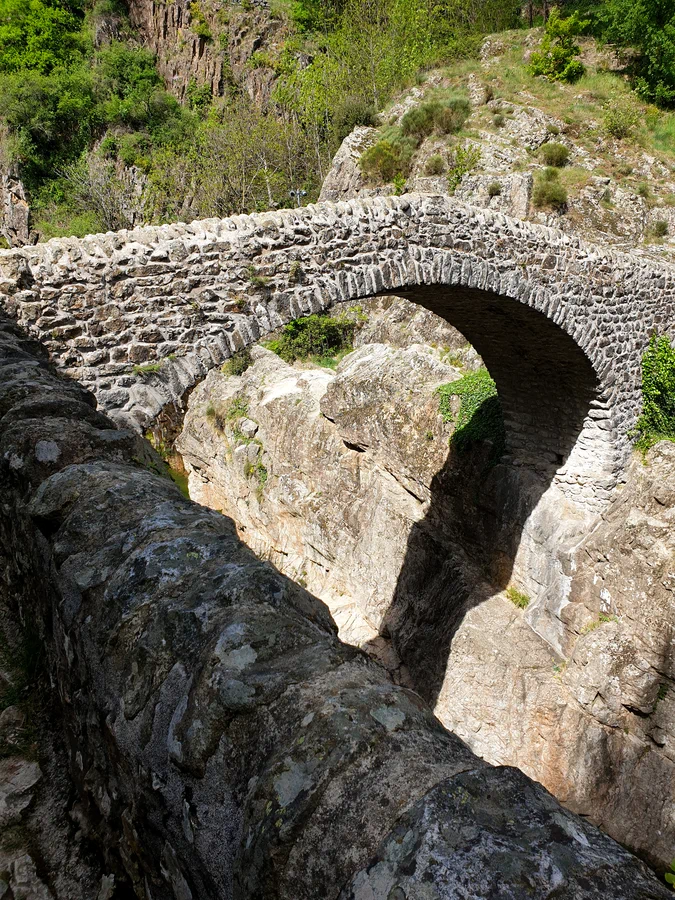
A story often begins with something small: a question that arises while travelling, an intriguing detail in a history book, a conversation that lingers or a subject you keep returning to. Sometimes it is the history of a place; sometimes it is the voice of a village, heard only when you look beyond its familiar streets and landmarks. The art lies in recognising these discoveries and exploring where they might lead. But also in finding out what you want to say about them. Because finding a story is about more than gathering information. It takes curiosity, a willingness to look and listen closely, and the courage to develop your own perspective and voice.
03 / The Craft of Writing
Voice, structure, rhythm and revision.
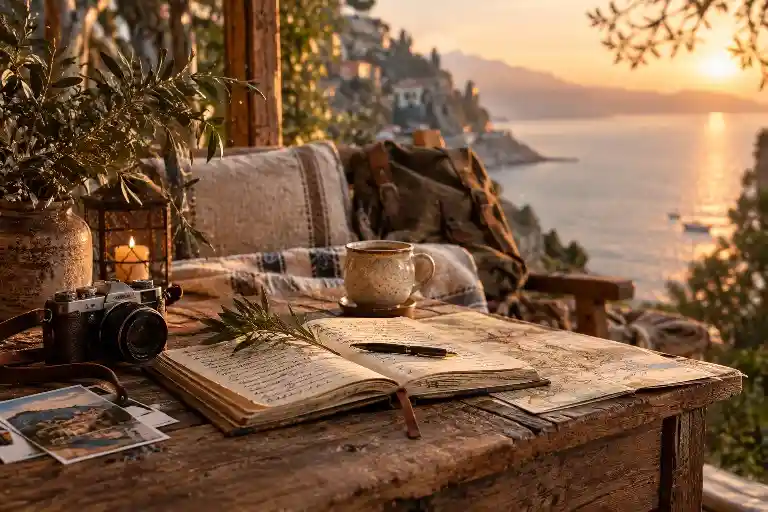
Knowing what you want to say is one thing. Finding the right way to say it is another. A good story needs direction, a rhythm that carries the reader and a voice that feels natural. Most of that happens in revision: cutting the paragraph you loved because it distracts, listening for rhythm, telling a sentence that sounds impressive from one that actually says something. We look at openings, structure, description and tone, and at writing in more than one language, where translating the words alone rarely preserves the character of a piece. The aim is not a formula, but enough understanding to make deliberate choices of your own.
04 / The Writer’s Toolkit
Tools, workflows and the careful use of AI.
Some writers need only a notebook and a word processor. Others want digital notes, reference managers or grammar tools. What matters is a way of working that supports your attention instead of interrupting it. The same goes for AI. It can help explore angles, organise research questions and show where a draft needs attention. It can also invent plausible-sounding facts and flatten a distinctive voice. The writer stays responsible for the facts, the choices and the finished story. Technology should make it easier to tell a good story, not become the story itself.

A story is never just a collection of words
The stories that stay with us do more than pass on information. They help us see a familiar place differently, understand a tradition a little better, or recognise ourselves in an experience that seemed far away.
Not every story needs to be important in a grand sense. A quiet travel memory, the origin of a much-loved recipe, a detail most visitors walk straight past: all of it can be worth telling. Meaning is not always found in the extraordinary. Sometimes it sits in the ordinary, waiting for someone to write it down.
There will always be more to learn, more questions to ask and more ways to tell a story. Sometimes all it takes is a moment of curiosity, a few carefully chosen words and the willingness to see where they lead.