Bonvia Stories • Photography
The Art of Seeing
Photography, memory and the beauty of noticing.
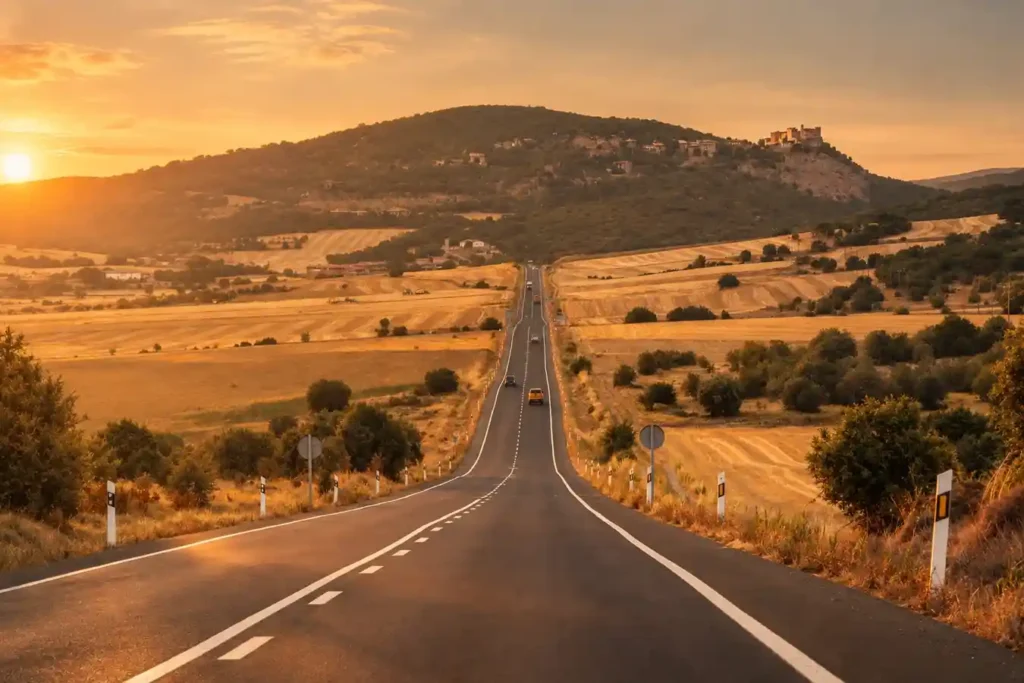
Some photographs are taken to remember a place exactly as it was. Others start with something smaller: sunlight on an old stone wall, the colours of a market stall, a road curving out of sight, an ordinary afternoon that felt worth keeping.
Photography gives us a reason to slow down and look closer. It helps us keep our memories, and it changes how we experience the places we visit.
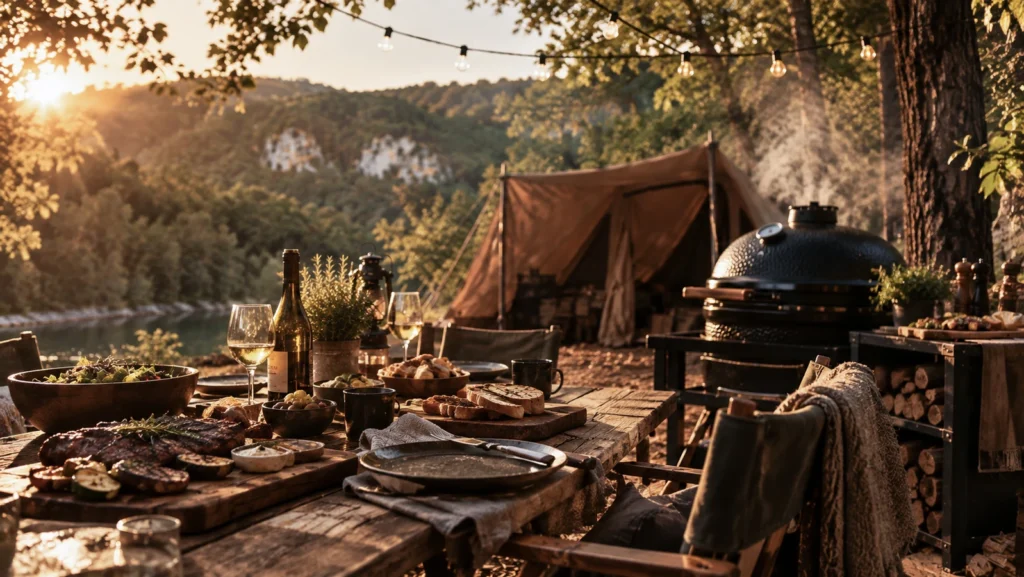
At Bonvia, it is part of the journey itself. It travels with us to the places we explore, and it follows us into the kitchen. It is how we try to hold on to what a moment felt like, not just what it looked like.
You don’t need expensive equipment to begin. A phone is often enough. But photography can also grow into a craft: learning to read light, trying different lenses, taking more control over the result. This is a place for both, the pleasure of looking and the pleasure of learning how.
Four ways in
01 / Light & Composition
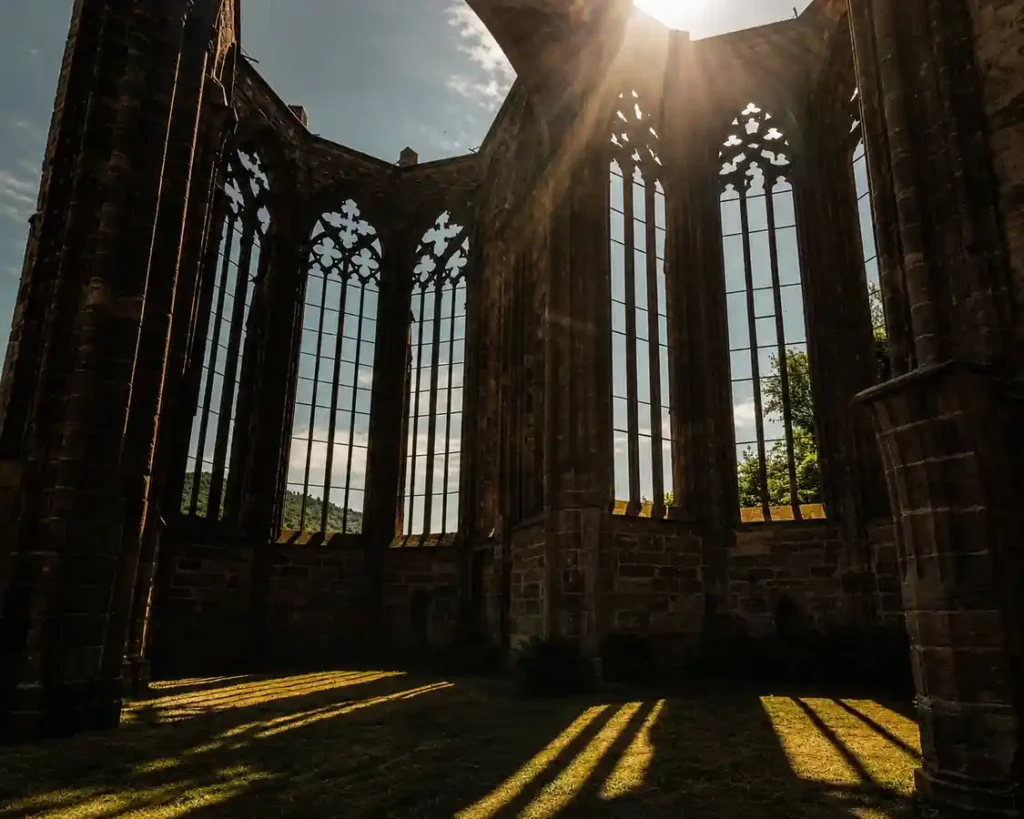
Learning to see before you press the shutter.
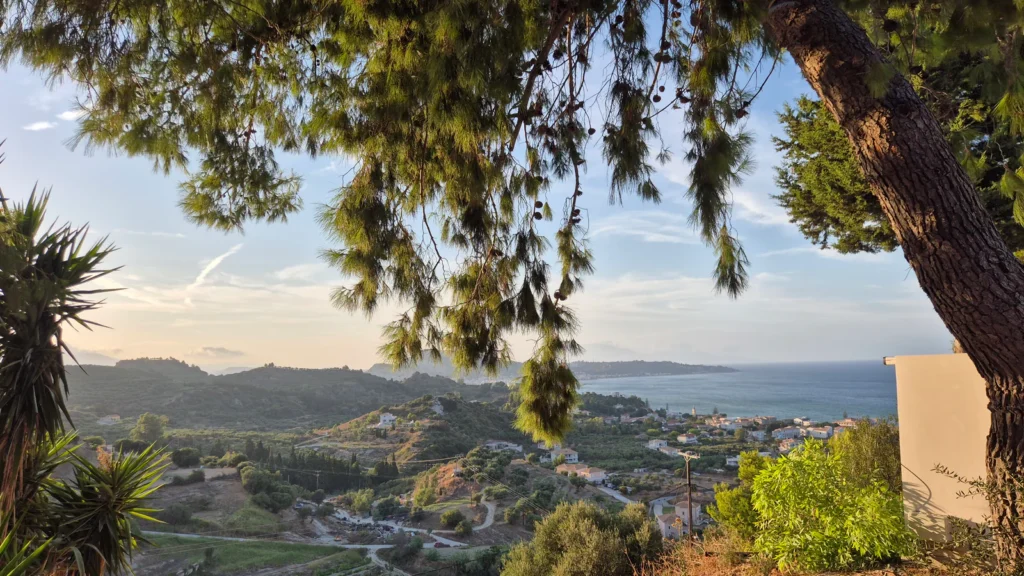
Every good photograph starts with noticing. The same street looks different at dawn and at dusk, and a familiar object becomes new from another angle. Here we explore natural light, colour, lines, patterns, reflections and texture, and how one step to the left can turn a snapshot into a photograph with a story. Landscapes, architecture, everyday objects, fleeting moments: it is all about finding your own way of seeing.
02 / Cameras, Lenses & What to Carry
Choosing equipment that fits the way you travel.
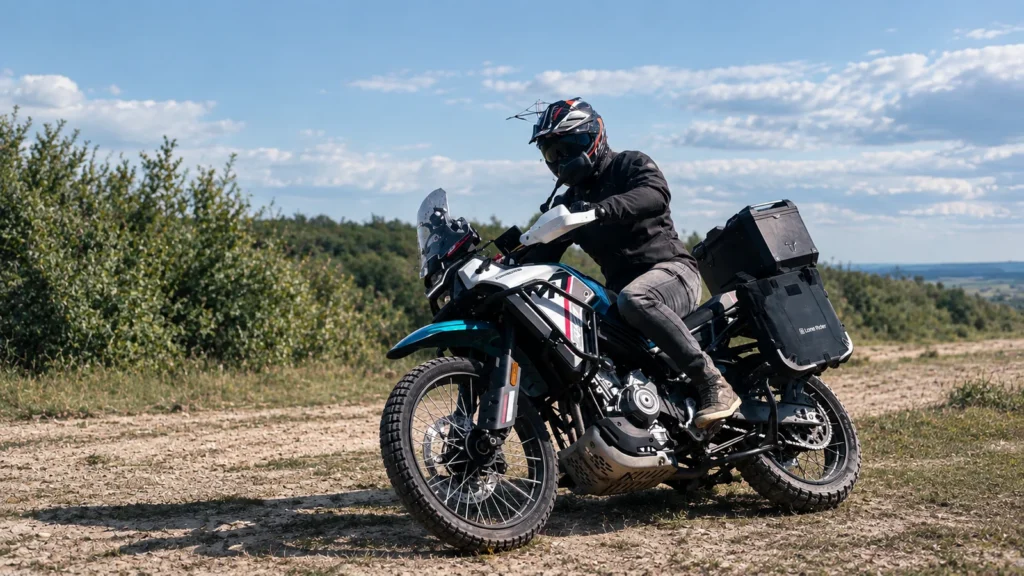
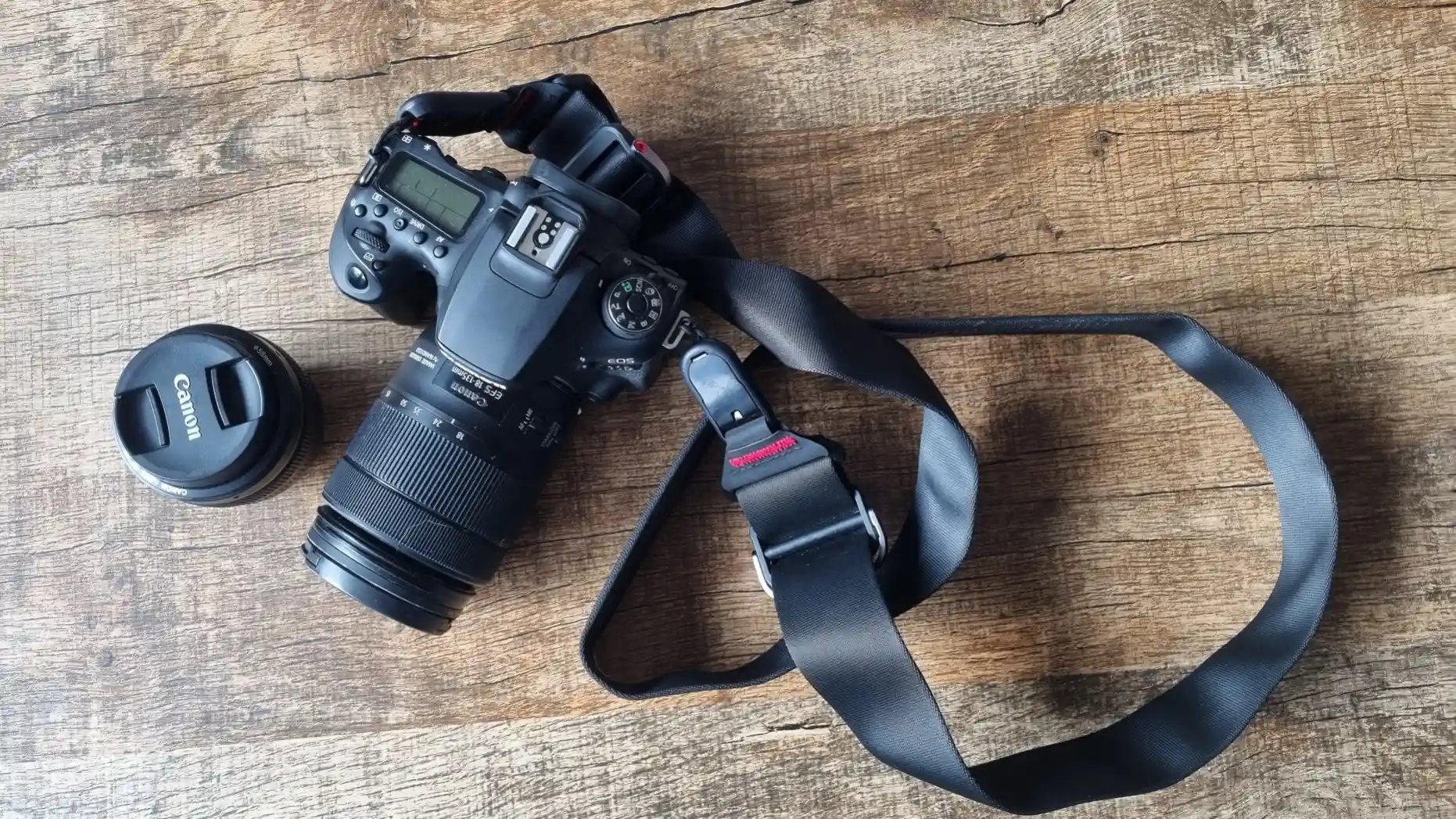
A phone is perfect for a spontaneous city walk. A camera with interchangeable lenses gives you more creative freedom, but it also brings choices about focal length, weight and protection. Mirrorless bodies are generally lighter than traditional DSLRs, although your lenses decide how much you really carry. For a city break, a discreet shoulder bag with a waterproof camera insert is often kinder than a large photo backpack. Practical experience, honest choices, and no gear-chasing.
03 / Creative Experiments
Filters, crystal balls and other small ways of seeing differently.
Filters change how light, reflections and movement appear. A crystal ball turns a landscape into a tiny, upside-down world. Prisms and reflections add unexpected colour and distortion. None of this is about making photographs more elaborate. It is about curiosity: trying something unfamiliar and finding out what suits you. You don’t need a studio, only some patience.
04 / The Photographer’s Desk
Editing, and giving your images their final character.
Editing is where you shape what you captured, from small changes in light and colour to a more distinctive style. We look at Lightroom and Photoshop, and at free alternatives such as darktable and GIMP. You don’t need to master them all. The aim is a workflow that suits your photographs and the time you want to spend, with deliberate choices that keep what made you take the photo in the first place.
Photographs to return to
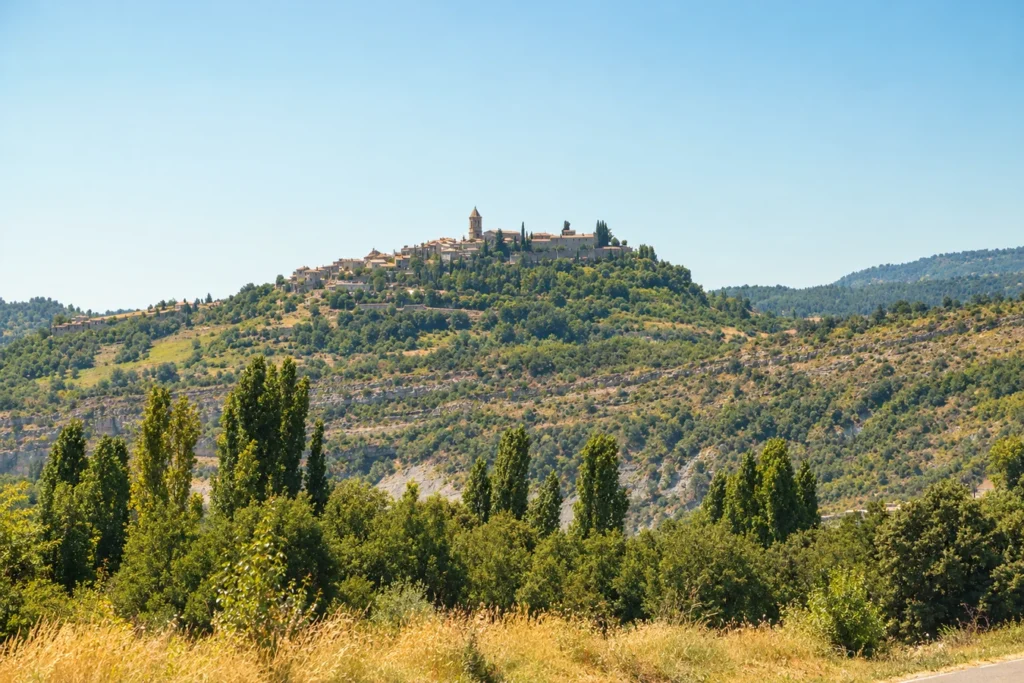
Some images are made to share. Others become keepsakes: a journey, a season, a moment that might otherwise fade. Across Bonvia Stories, most of the photographs are our own attempts to capture not only what was there, but what made it worth remembering.
Look a little closer. Follow the light. And take a photograph when you find something you would like to remember.